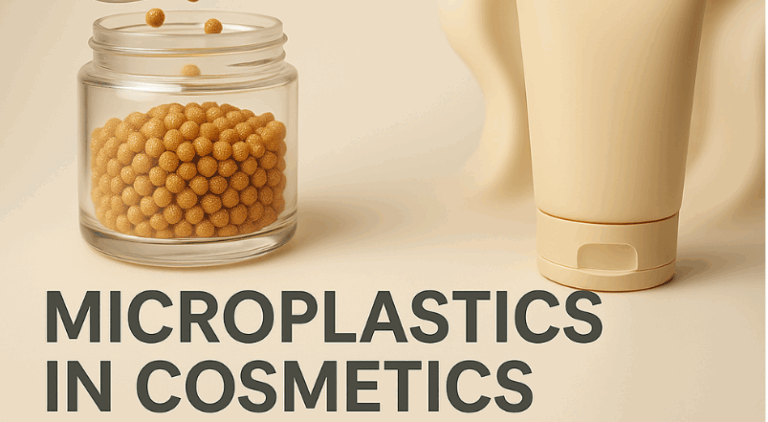
The EU Clean Beauty Revolution: Ending Microplastics and Greenwashing in Cosmetics
An Expert Guide to the New European Regulations and Sustainability StandardsEurope’s cosmetics industry is undergoing one of the most profound transformations in its history. Driven by growing consumer awareness and the EU’s decisive actions against greenwashing and microplastics — including the landmark EU Green Claims Directive — brands are now expected to prove genuine sustainability and transparency, not just use them as marketing claims.
This expert guide explains how the latest EU laws reshape the future of “clean beauty”, from REACH microplastic restrictions to the Green Claims Directive.
1. Greenwashing Under Fire: The EU’s Crackdown on Misleading Eco Claims
Greenwashing – the practice of exaggerating or falsifying environmental claims – has become both a legal and reputational risk. With the new EU Green Claims Directive, brands will soon be required to verify all environmental statements with independent, evidence-based data.
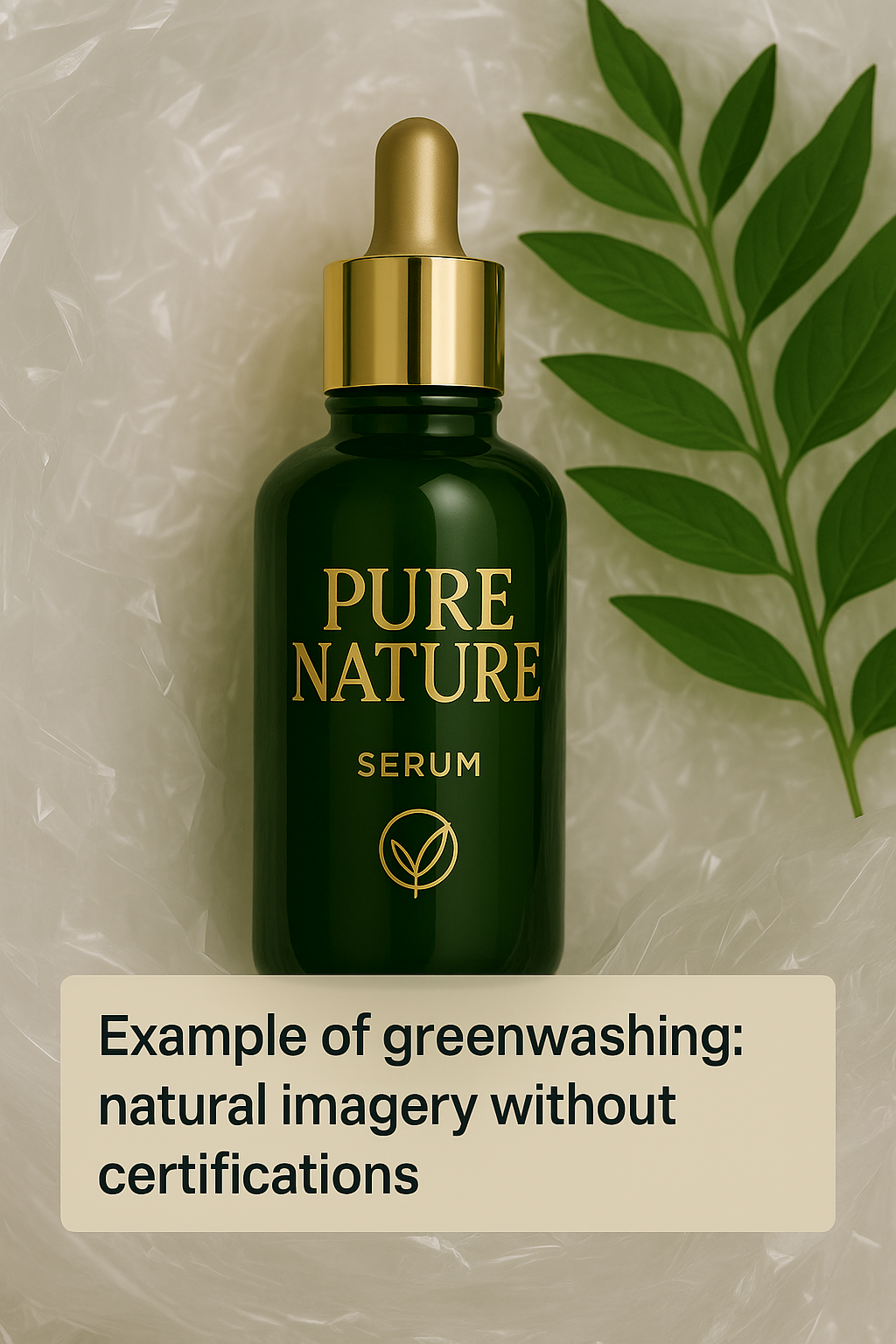
Common Greenwashing Red Flags
- Vague language: “eco”, “natural”, or “zero waste” without scientific proof.
- Green aesthetics: leaves, earth tones, and recycled imagery suggesting sustainability, but no measurable impact.
- Fake eco-labels: unrecognised symbols imitating certification marks.
How to Avoid Greenwashing
- Use only verifiable eco-labels recognised by EU or ISO standards.
- Support environmental claims with data (e.g., LCA results or third-party audits).
- Ensure ingredient and packaging claims comply with both EU and UK labelling law.
See also: How to Label Small Cosmetic Products (EU & UK Guidance)
2. Microplastics in Cosmetics: REACH 2023/2055 in Practice
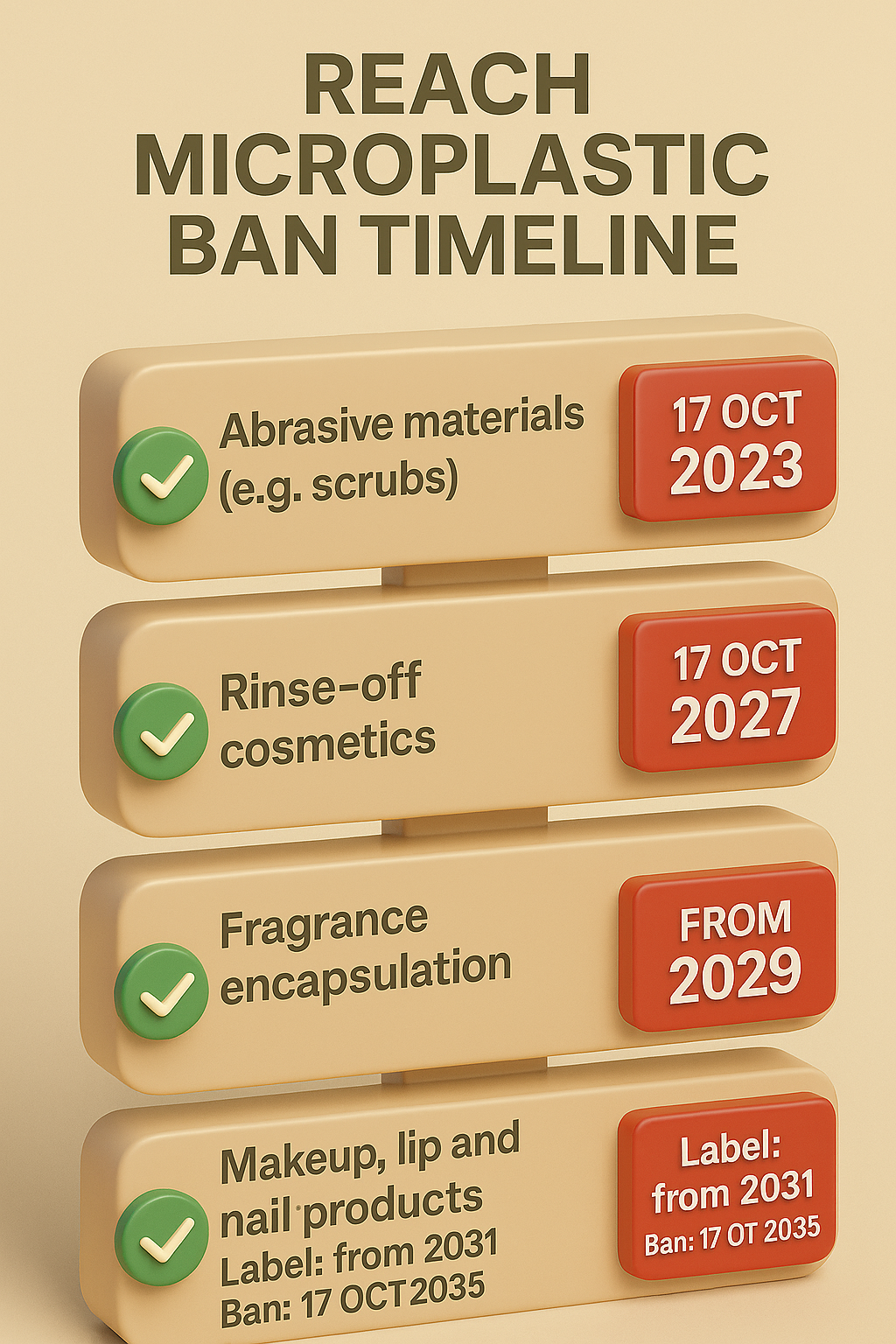
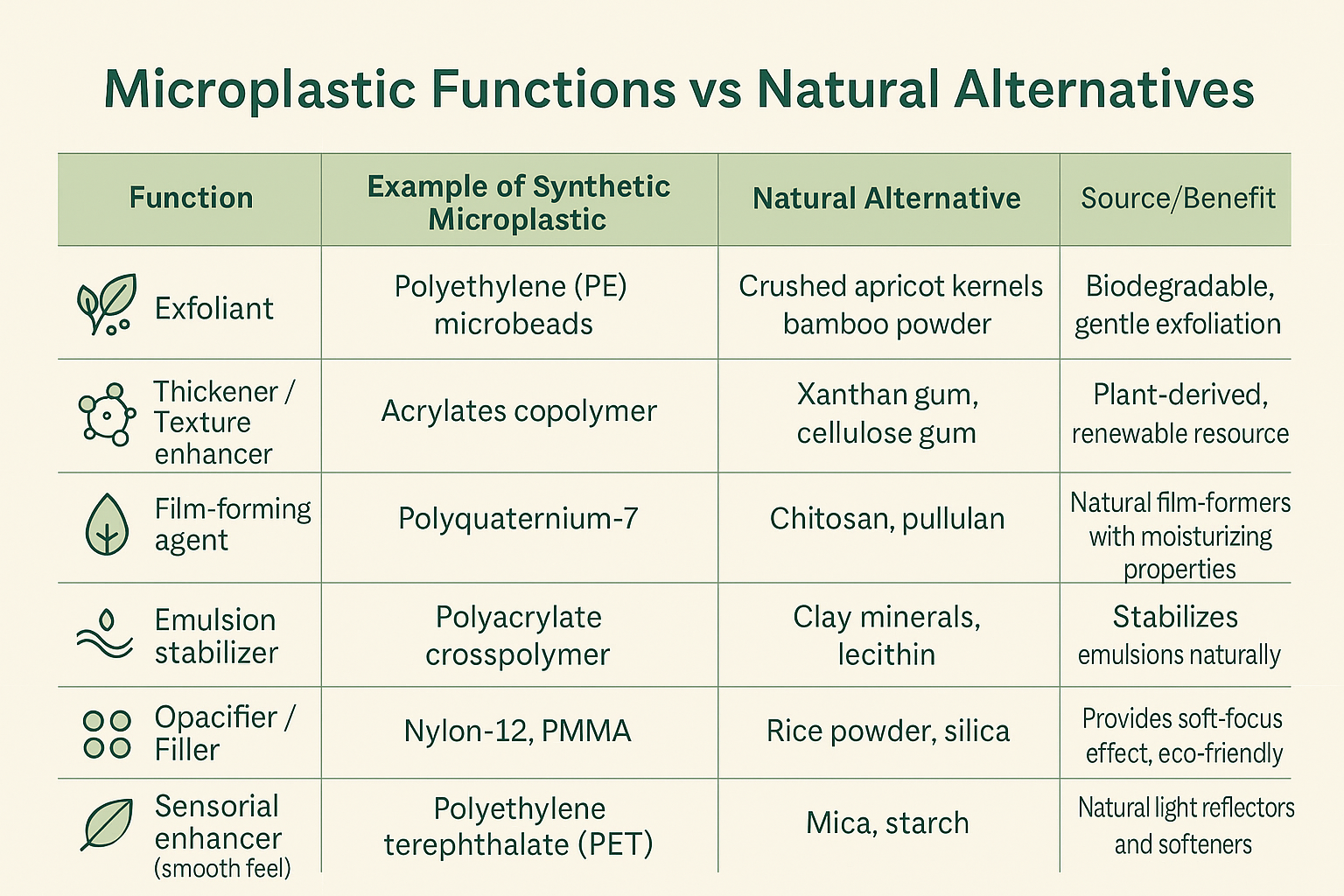
In 2023, the European Commission adopted Regulation (EU) 2023/2055, amending Annex XVII of REACH (EC) 1907/2006, to introduce a phased ban on intentionally added microplastics in cosmetics.
3. Microplastics and Human Health: The Silent Crisis
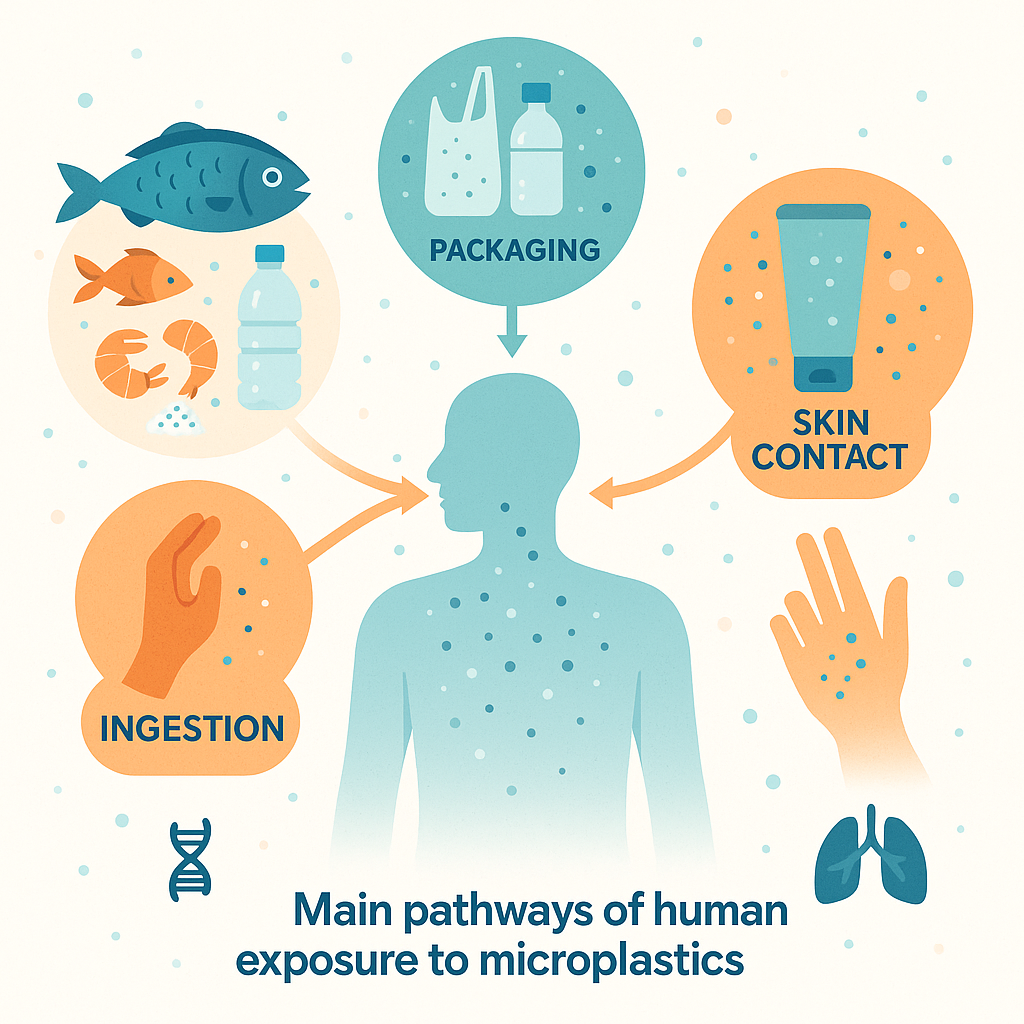
Microplastics are not only an environmental hazard – they increasingly threaten human health. The WHO (2022) reports MPs in human tissue, placenta, and bloodstream.
4. Natural Alternatives and Innovation in Formulation
5. Circular Economy and Eco-Design Obligations
The EU Circular Economy Strategy aims for 100% reusable or recyclable packaging by 2030.
6. Transparency: The New Definition of Luxury
The next era of luxury will be defined by traceability, verifiable sourcing, and regulatory integrity.